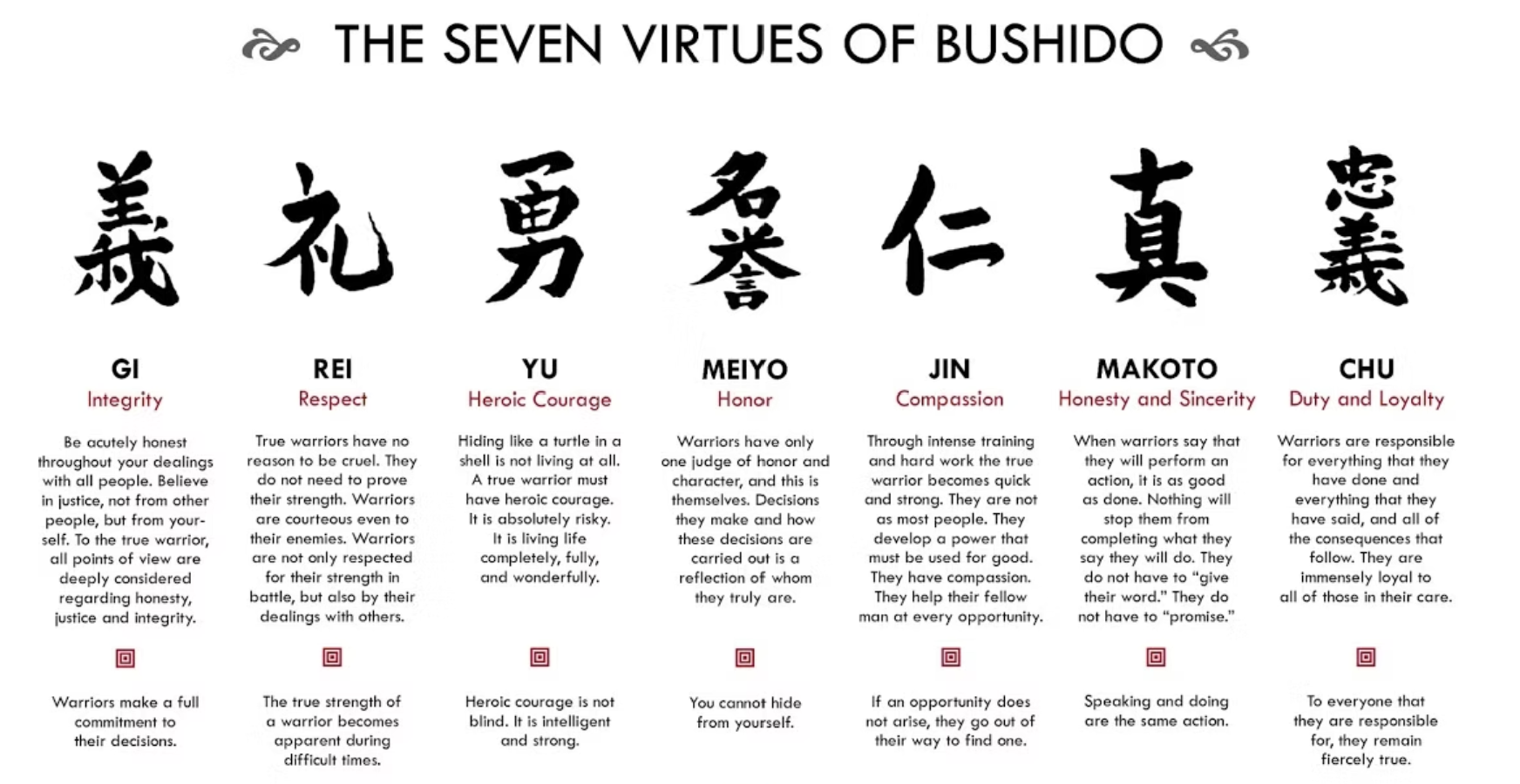
History of Chang Hon Tae kwon do
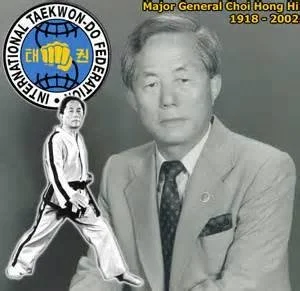
In 1965, General Choi Hong Hi published a book titled TaeKwon-Do The Art of Self Defense. In his book, General Choi expanded on ancestral combative arts such as Taekyon (foot fighting), Subak (Korean boxing), and the Okinawan Shuri and Naha schools of karate that he had studied throughout his life. General Choi outlined a methodical structure for his new system with detailed techniques, training outlines, and a set of patterns used to provide increasing skill and techniques. The name Chang Hon Tae kwon do literally translates as “Blue Cottage Foot Hand Way”. The Blue Cottage comes from General Choi’s pen name, which comes from his native village in Korea.
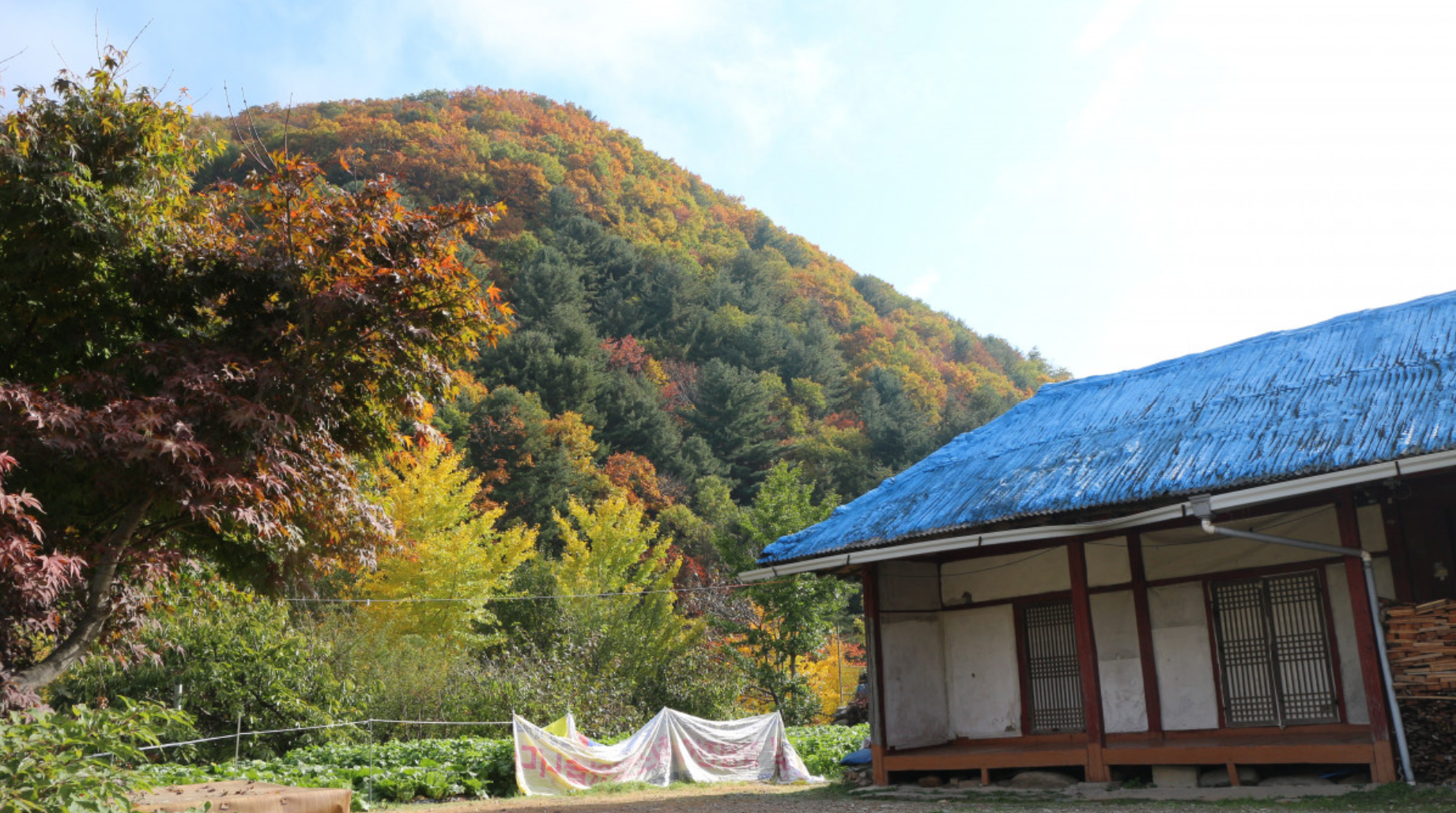
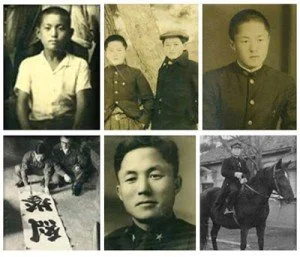
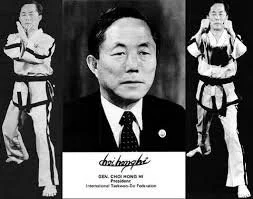
General Choi trained Korean soldiers, police, and air force with his regimen. Due to political upheaval in Korea, General Choi left for Toronto, Canada in 1973, and established there the International Taekwondo Federation, ITF. In Korea, the World Taekwondo Federation, WTF, developed. WTF Taekwondo developed into a sparring-based sport and became an Olympic event in 2000. Whereas ITF remained with a traditional emphasis on self-defense as a skills-based art form with headquarters based in Canada. For this reason, WTF is often called a sport, while ITF Tae Kwon Do is referred to as a martial art. Attempts have been made to reconcile and reunite the two federations with no success to date.

The Structure of Chang Hon Tae kwon do
Traditional Chang Hon Tae Kwon Do is taught with 10 grades (Gups) and 9 degrees (Dans). Students begin at the lowest grade (10) and work their way through a colored belt system until achieving the black belt rank of 1st Dan. Each grade is assigned a belt color. All Dans wear the black belt and denote rank with stripes on the hanging belt ends. While different colors exist in different systems, the ITF requires a uniform belting system. The practice of numbering a system 10 to 1 and then 1 to 10 is an ancient Oriental custom. While the Dans stop at 9, there is a rank beyond the belting system. The Federation can bestow the rank of Sahboonim on Head Master and leader of a system who has achieved significant merit.
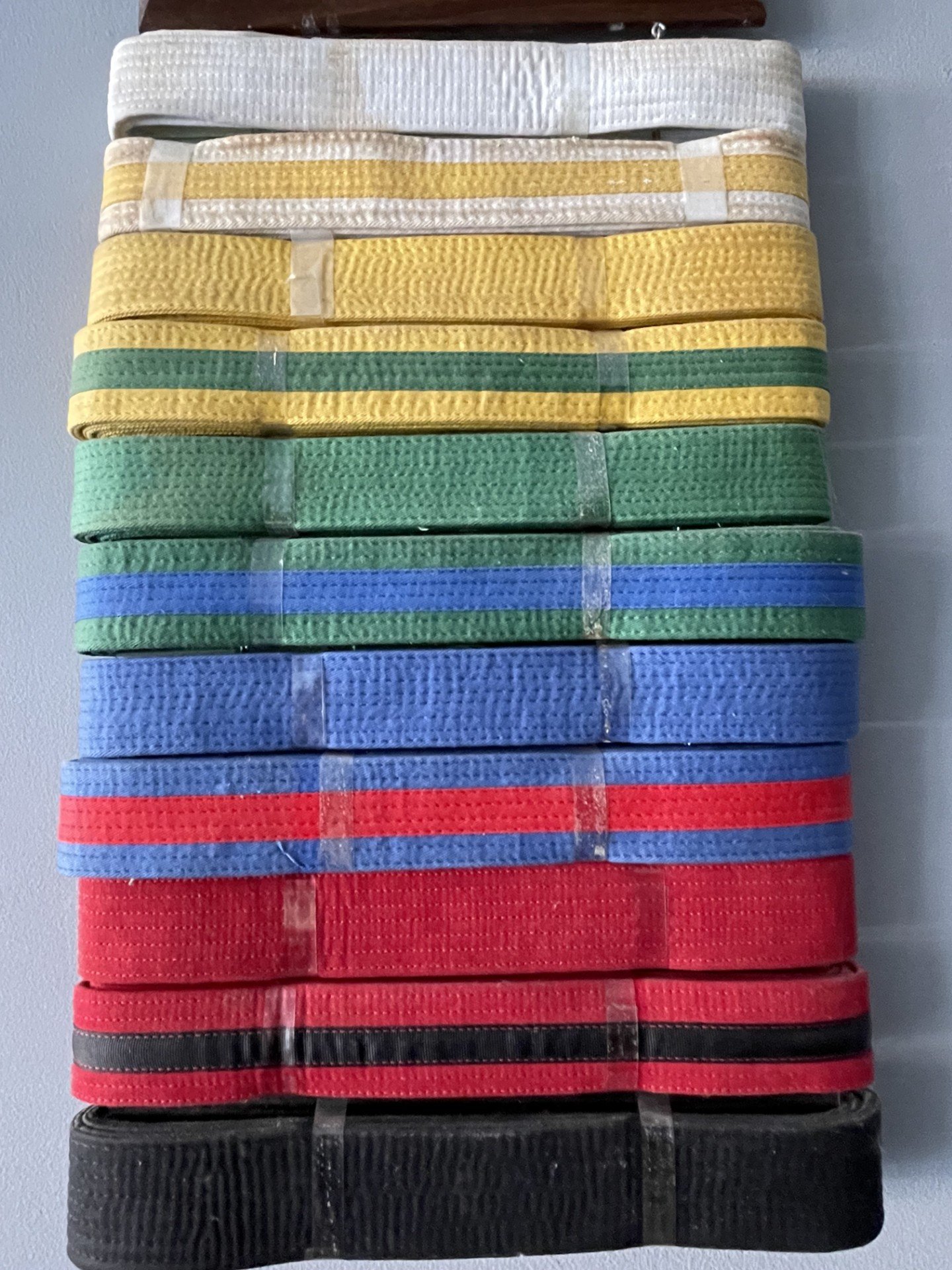
White - Innocence. A beginning student.
Yellow - Earth. Where plants root.
Green - Growth and Development.
Blue - Heavens. Training Progressing.
Red - Danger. Learn Self-Control.
Black - Maturity and Proficiency.

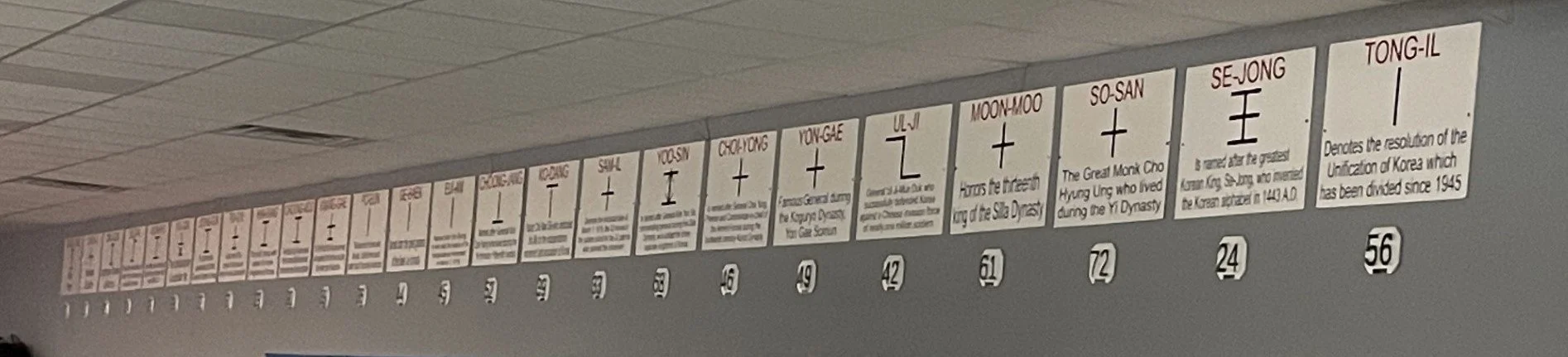
General Choi created a progressive set of 24 forms for students to learn as they increase in rank and belt designation. Within the Gups, students will learn 10 forms, and within the Dans they will strive to master an additional 14 forms. General Choi said that the 24 forms represent the hours in a day which can also be mapped onto the life of the student. Each form has a meaning layed upon the name, number of movements, and pattern. Each pattern represents a historic person or event in Korean History. As a student progresses, they will learn the significance of each testing form.
Bushido - The Way of the Warrior
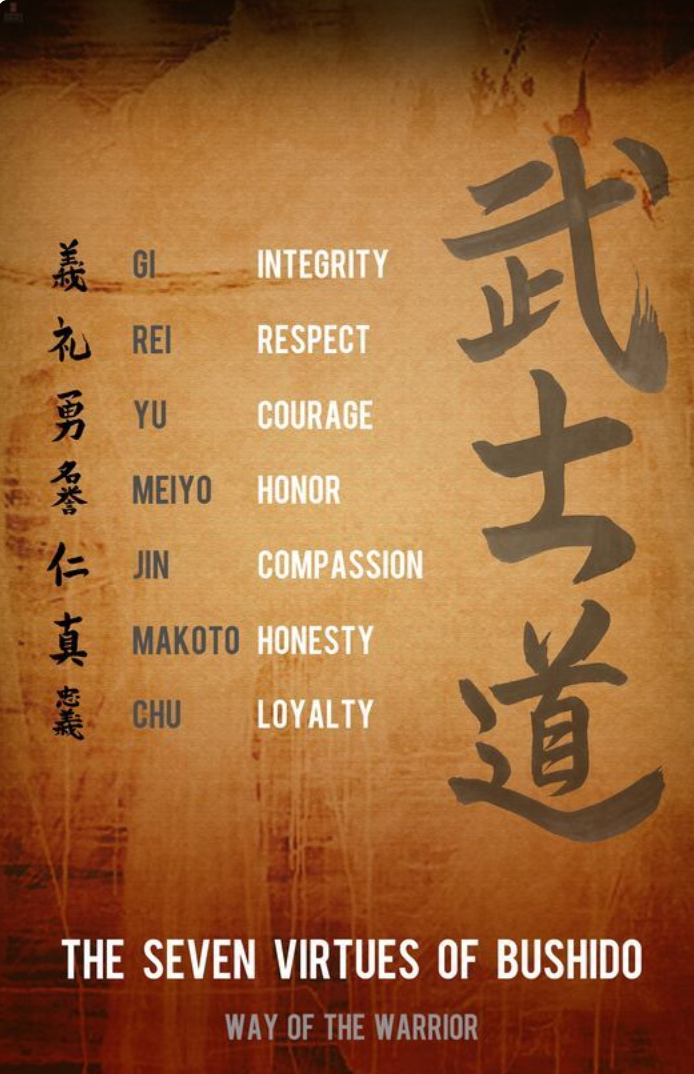
Sahboonim instructs his students to work within the honor of Bushido. Bushido is the code of conduct passed down from Japanese warrior classes of the Samurai era. The words break down into “bushi” meaning warrior and “do” meaning path/way. The code emphasizes skill, honor, courage, and loyalty. It is a way of life that leads to harmony of one’s mind, body, and soul.